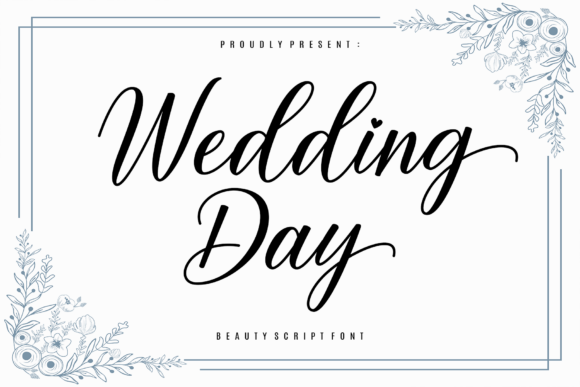
Sunflower Font: A Fresh Take on Handwritten Elegance
There’s a particular warmth to things made by hand. You see it in a sketch, a signature, or a note left on the kitchen counter. This human quality is what the Sunflower font captures so well. It’s a handwritten font, but not the kind that feels casual or unfinished. Instead, it’s a carefully crafted typeface that balances the organic flow of calligraphy with a clean, modern sensibility. The result is a creative font that feels both personal and polished, making it a surprisingly versatile tool in a designer’s toolkit.
More Than Just a Pretty Script
At first glance, Sunflower’s personality is clear. It’s friendly, approachable, and carries a subtle elegance. The letterforms have a consistent, flowing rhythm that avoids the chaotic look of some script fonts. This consistency is key to its professionalism. Each character connects with a natural grace, creating a sense of cohesion that’s essential for brand identity. It’s the kind of premium font that doesn’t scream for attention but earns it through quiet confidence and readability.
Its versatility is where it truly shines. Think beyond greeting cards. This is a display font with real-world utility. For a small business owner creating product labels or packaging, Sunflower adds an artisanal, high-quality touch without sacrificing clarity. For a blogger or content creator, it can transform a simple social media quote into a piece of engaging visual content. It works beautifully for short headlines, logos, and accent text where you want to inject personality without overwhelming the viewer. Pair it with a clean sans serif font for body text, and you have a dynamic and professional visual hierarchy.
Where Sunflower Finds Its Home
Understanding where a font excels helps you use it effectively. Sunflower’s blend of charm and legibility makes it a strong candidate for a variety of projects.
- Branding & Logo Design: Ideal for businesses in lifestyle, wellness, food, or boutique retail. It can form the core of a logo or serve as a complementary script font for taglines and slogans.
- Editorial & Publishing: Perfect for chapter titles, pull quotes, or author names in books and magazines. It adds a human, authorial voice to the layout.
- Packaging & Label Design: Its clarity at smaller sizes makes it excellent for product names, ingredients lists, or promotional callouts on physical goods.
- Digital & Web Design: Use it for website hero sections, call-to-action buttons, or newsletter headers to create a warm, inviting first impression.
- Marketing & Social Media: Elevates Instagram graphics, Facebook ads, and email marketing templates. It helps content stand out in a crowded feed.
- Stationery & Personal Projects: From wedding invitations to personal blogs, it lends a bespoke, crafted feel to any creative endeavor.
Making Smart Design Choices with Sunflower
Choosing a font is a strategic decision. It influences how your audience perceives your message. Sunflower, as a handwritten font, can make a brand feel more approachable, trustworthy, and human. It’s a tool for building connection. However, its effectiveness depends on context. For long paragraphs of text, even the most legible script can cause fatigue. This is where thoughtful font pairing becomes critical. Combining Sunflower with a sturdy serif font or a neutral sans serif font creates a balanced, readable layout that guides the reader’s eye naturally.
Before finalizing your choice, always test the font in your specific project environment. Check its readability at the intended size, both on screen and in print if applicable. Review the full character set and any alternate styles included with the commercial font. Does it have the punctuation and symbols you need? Does it support multiple languages if required? This due diligence ensures the design asset works as hard as you do.
A Practical Note on Licensing
If you’re using Sunflower for client work, merchandise, or any commercial project, ensure you have the correct font licensing. Most premium fonts like this come with clear terms. A desktop license is standard for print and digital design, while a web font license is necessary for using it on a website. For logos, a license that permits embedding is typically required. Always read the license agreement to understand the permissions and restrictions. This isn’t just about legality; it’s about respecting the work of the type designer and ensuring your brand identity is built on a solid, professional foundation.
In the end, Sunflower is more than just a collection of letters. It’s a design solution that bridges the gap between the handmade and the professional. By understanding its strengths and applying it thoughtfully, you can leverage this modern typography to create work that feels both authentic and exceptionally polished. It’s a reminder that the right font doesn’t just display words—it helps tell a story.