Retro Script: The Vintage Handwritten Font That Adds Instant Character
More Than Just Letters: Understanding the Retro Script Personality
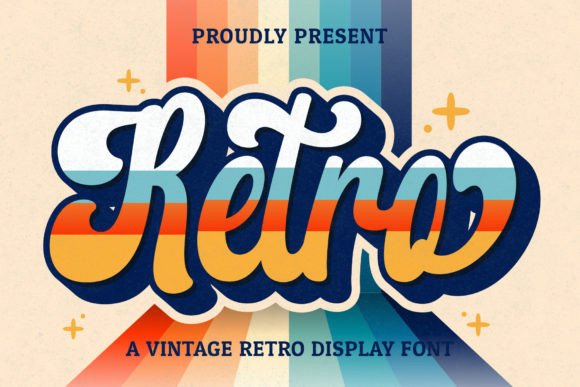
You know the feeling when you stumble upon a design that just feels right? It has warmth, personality, and a story to tell. That’s the magic a well-chosen typeface brings, and Retro Script is a prime example. At its core, it’s a cool, vintage-style handwritten font, but describing it that way is like calling a classic car “just transportation.” Retro Script captures the essence of mid-20th-century charm—the fluidity of a sign painter’s brush, the casual elegance of a handwritten note from a bygone era. Its letters flow with a natural, connected rhythm, featuring gentle curves and subtle imperfections that give it an authentic, handcrafted feel. This isn't a stiff, digital script; it’s a creative font with a soul, designed to inject that special retro touch into any project.
The appeal of a script font like this lies in its ability to communicate emotion instantly. Where a clean sans serif font shouts modern efficiency, Retro Script whispers nostalgic confidence. It’s the typographic equivalent of a well-worn leather journal or a vintage movie poster. This display font isn’t meant for body text in a technical manual. Its strength is in headlines, logos, and callouts where personality is paramount. The visual weight and style of Retro Script make it a powerful tool for setting a specific mood, one that resonates with audiences seeking authenticity and a break from the overly polished digital aesthetic.
Where Retro Script Truly Shines: Practical Applications
So, where does this vintage-style handwritten font fit into your creative toolkit? Its versatility might surprise you. For entrepreneurs and small business owners crafting a brand identity, Retro Script can be the cornerstone of a memorable logo, especially for businesses in artisanal goods, boutique shops, cafes, or creative services. It tells customers you value craftsmanship and personality. Pair it with a simple serif font or a clean sans serif font for a balanced, professional look that doesn’t sacrifice character.
Designers and marketers will find it invaluable for projects where engagement is key. Think social media graphics that need to stop the scroll, email headers that feel personal, or packaging design for products that stand out on a shelf. Its handwritten nature creates an immediate, human connection that polished, corporate fonts often lack. For editorial design, it can add a sophisticated, personal touch to magazine features, blog post titles, or book covers. The font’s inherent style makes it a standout choice for wedding designs—from invitations and save-the-dates to place cards and signage—where a romantic, timeless feel is desired.
- Branding & Logo Design: Creates a distinctive, approachable identity for artisan businesses, cafes, boutiques, and personal brands.
- Marketing & Social Media: Enhances engagement in digital ads, Instagram stories, Facebook posts, and email campaigns with its personal touch.
- Packaging & Print: Adds premium, handcrafted appeal to product labels, shopping bags, and stationery.
- Events & Personal Projects: Perfect for wedding stationery, party invitations, greeting cards, and DIY crafts.
- Publishing & Editorial: Provides a stylish, vintage flair for book titles, chapter headings, and magazine layouts.
Working With Retro Script: A Designer’s Practical Guide
Choosing a premium font like Retro Script is just the first step. Using it effectively requires a bit of strategy. First, consider readability. While it’s stunning at larger sizes, test its legibility at the scale you intend to use it. A beautiful script can become an unreadable squiggle if used too small. For web design, ensure it’s clear on various screen resolutions. The best practice is to reserve it for headlines, logos, and short phrases where its style can be appreciated without hindering comprehension.
Next, think about font pairing. This is where Retro Script truly integrates into a professional design assets library. It pairs beautifully with neutral, geometric sans serifs like Montserrat or Lato for a modern contrast. For a more classic, elegant feel, combine it with a transitional serif like Garamond or Baskerville. The key is to let Retro Script be the star—the focal point of personality—while its partner font handles the more functional, readable text. This creates a clear visual hierarchy that guides the viewer’s eye.
One of the most practical features of this commercial font is its PUA encoding. For the uninitiated, this means all the extra glyphs, swashes, and stylistic alternates are easily accessible. You don’t need advanced software knowledge to use them. This allows for incredible customization. You can choose from different versions of a letter to perfect a logo’s flow or add a decorative swash to the end of a word for extra flair. Before finalizing a design, review the full character map to explore these options. Finally, always double-check the licensing for your specific project. A quality creative font like this comes with a license that typically covers a wide range of uses, from personal projects to commercial merchandise, but it’s your responsibility to ensure compliance. When used thoughtfully, Retro Script becomes more than a typeface; it becomes a storyteller, adding depth, nostalgia, and undeniable style to your work.