Hohenzollern: The Bold Blackletter for Modern Design
A Typeface with Historical Weight and Contemporary Punch
There's a certain authority that comes with blackletter typography. It carries centuries of history, evoking manuscripts, official documents, and a sense of tradition. Hohenzollern, a premium font designed by Peter Wiegel, captures that historical weight but presents it in a way that feels surprisingly versatile for today's creative projects. It's not a delicate, whispering typeface. Hohenzollern is bold, thick-lettered, and unapologetically present. If you're looking for a display font that makes a statement the moment it appears, this is one to seriously consider.
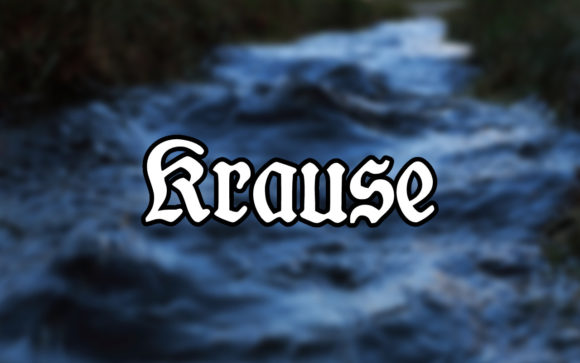
What sets Hohenzollern apart from many historical revivals is its thoughtful construction. The letterforms maintain the intricate, angular beauty of traditional blackletter but with a clarity that serves modern eyes. The strokes are strong and consistent, ensuring the font remains legible even at smaller sizes where some blackletter styles can become muddy. This balance between classic form and functional design is its core strength. It doesn't just look old; it works hard.
Where Hohenzollern Truly Shines: Practical Applications
Understanding where a font like Hohenzollern fits best is key to using it effectively. Its personality is strong, so it's rarely the right choice for body copy in a lengthy report. Instead, think of it as your headline artist, your attention-grabber, your brand's signature mark.
For logo design and brand identity, Hohenzollern can be transformative. It's ideal for brands that want to convey heritage, craftsmanship, strength, or a connection to tradition—think craft breweries, artisanal bakeries, bespoke tailors, or heritage outdoor gear. A single word set in Hohenzollern can become a powerful, recognizable logomark. Its distinct style helps in creating immediate brand recognition.
In editorial design and publishing, it excels as a display type for chapter headings, magazine pull quotes, or the title of a book cover, especially in genres like historical fiction, fantasy, or thriller. Pair it with a clean serif font or a simple sans serif font for the body text to create a compelling visual hierarchy. The contrast between the ornate Hohenzollern headline and the straightforward body text guides the reader's eye naturally.
Digital spaces benefit from its impact as well. Use it for standout web design elements like hero section headlines, section titles, or call-to-action buttons where you need to cut through the noise. On social media graphics, a Hohenzollern headline can stop the scroll, making it perfect for promotional posts, event announcements, or quote images that need to feel substantial. Its bold nature ensures it remains clear even on small screens.
For packaging design, particularly for products that tell a story of origin or quality, Hohenzollern adds an instant layer of perceived value. Imagine it on the label of a small-batch spirit, a gourmet coffee bag, or high-end stationery. It communicates care and tradition without saying a word. Even for personal projects like creating a family crest, a wedding monogram, or custom apparel, this font brings a unique, customized feel that generic script fonts often lack.
Working with Hohenzollern: A Designer's Practical Guide
Choosing a font is just the first step. Using it well is where the real work happens. Here’s how to approach Hohenzollern in your workflow.
First, evaluate the project fit. Ask yourself: does the tone of this project match the font's personality? Hohenzollern speaks of history, authority, and craftsmanship. If your project is ultra-modern, minimalist, or playful, this might not be the right match. If it leans toward tradition, storytelling, or premium quality, you're on the right track.
Next, consider font pairings. This is critical. Hohenzollern demands a supporting cast that doesn't compete. Your best partners will be neutral, clean typefaces. A classic serif font like Georgia or a versatile sans serif font like Open Sans or Lato can provide excellent readability for longer text while letting Hohenzollern own the headlines. Avoid pairing it with other decorative or script fonts, as this will create visual chaos. Let it be the star.
Since Hohenzollern is PUA encoded, you have full access to all its glyphs and swashes. This is a significant advantage. Open your character map or glyph panel to explore. You might find alternate characters, ligatures, or ornamental swashes that can add a unique flourish to a logo or a single headline. Don't just type and go; explore the full toolkit the designer, Peter Wiegel, has provided.
Readability is paramount. While Hohenzollern is clearer than many blackletter fonts, it's still a display face. Use it at larger sizes where its details can be appreciated. Test it at the exact size you plan to use. For web use, check how it renders on different devices. A font that looks majestic at 72px on your desktop might lose its charm at 24px on a mobile phone. Always prioritize how your audience will actually experience it.
Finally, understand the licensing. Hohenzollern is a commercial font. Ensure you have the appropriate license for your use, whether it's for a single client project, a product for sale, or a personal blog. The PUA encoding means you can use all the glyphs freely within your licensed projects, which is a huge plus for creating unique designs. Investing in a proper license for a premium font like this is an investment in the quality and legal security of your work.
In the end, Hohenzollern is more than just a creative font. It's a design asset that carries specific connotations. Used thoughtfully, it can elevate a project from ordinary to memorable, lending it a sense of depth, history, and undeniable presence. It’s a tool for designers, entrepreneurs, and creators who understand that typography isn't just about letters—it's about emotion, perception, and connection. Give it a confident place in your toolkit where its bold character is needed, and you'll likely find it becomes a go-to for projects that require a strong, distinctive voice.